Buy dingelstaedt.eu ?
We are moving the project
dingelstaedt.eu .
Are you interested in purchasing the domain
dingelstaedt.eu ?
domain@kv-gmbh.de · 0541-91531010
Buy dingelstaedt.eu ?
Who wins the culture war?
The concept of "winning" the culture war is complex and subjective, as culture is constantly evolving and changing. Different groups and individuals may perceive themselves as winning or losing based on their own values and beliefs. Ultimately, the idea of "winning" the culture war may not be the most productive way to approach cultural diversity and differences. Instead, fostering understanding, empathy, and respect for diverse perspectives can lead to a more inclusive and harmonious society. **
What are art and culture events?
Art and culture events are gatherings or activities that showcase various forms of artistic expression, such as visual arts, music, dance, theater, literature, and more. These events provide a platform for artists to share their work with the public and engage in creative dialogue. They also offer opportunities for individuals to immerse themselves in different cultural experiences, broaden their perspectives, and appreciate the diversity of human expression. Overall, art and culture events play a vital role in enriching communities, fostering creativity, and promoting understanding and connection among people. **

Similar search terms for Who
Top-Angebote
Products related to Who:
-
Orion A Brief History of Everyone Who Ever Lived by Adam Rutherford – The Stories in Our DNAA Brief History of Everyone Who Ever Lived by Adam Rutherford This is a story about you.It is the history of who you are and how you came to be. It is unique to you, as it is to each of the 100 billion modern humans who have ever drawn breath. But it is also our collective story, because in every one of our genomes we each carry the history of our species - births, deaths, disease, war, famine, migration and a lot of sex.In this captivating journey through the expanding landscape of genetics, Adam Rutherford reveals what our genes now tell us about human history, and what history can now tell us about our genes. From Neanderthals to murder, from redheads to race, dead kings to plague, evolution to epigenetics, this is a demystifying and illuminating new portrait of who we are and how we came to be.4,95 £*Shipping: 1,99 £Secure redirect to the provider
-
Who Would Win? 10 Book SetWhich dangerous animals would win in a fight? Find out in this amazing box set, which includes 10 books in the bestselling Who Would Win? series, including: Alligator vs. Python Green Ants vs. Army Ants Hyena vs. Honey Badger Triceratops vs....42,49 $*Shipping: 0,00 $Secure redirect to the provider
-
ForAllApparel Behind Every Daughter Who Believes In Herself Is A Dad Who Believed In Her First White SBehind every Daughter who believes in herself is a Dad who believed in her first. It's made of a thicker, heavier cotton, but it's still soft and comfy. And the double stitching on the neckline and sleeves add more durability to what is sure to be a...29,97 $*Shipping: 0,00 $Secure redirect to the provider
-
Lenox Who-Ville Sweet Shop Lit FigurineInspired by Dr. Seuss's classic Grinchmas story, this light-up ivory porcelain figurine depicts a signature Who-ville style Sweet Shop, complete with an icing-covered roof, colorful details, and a soft illuminating glow. Features: © Dr.74,95 $*Shipping: 0,00 $Secure redirect to the provider




-
What is the difference between culture and tradition?
Culture refers to the beliefs, customs, arts, and social behaviors of a particular group of people, encompassing a broader range of practices and values. On the other hand, tradition specifically refers to the customs and practices that are passed down from generation to generation within a specific community or society. While culture is more dynamic and can evolve over time, traditions tend to be more static and rooted in history and heritage. **
-
Who writes the history?
History is typically written by those in power or those who have the means to record and preserve their version of events. This often leads to a biased or one-sided perspective of historical events. However, efforts are being made to include diverse voices and perspectives in the writing of history to provide a more comprehensive and accurate account of the past. Ultimately, history is a collective narrative shaped by various individuals and groups, each contributing their own perspectives and interpretations. **
-
Who works at the children's village?
The children's village is typically staffed by a team of dedicated professionals, including social workers, child psychologists, teachers, and caregivers. These individuals work together to provide a nurturing and supportive environment for the children living in the village. They are responsible for meeting the physical, emotional, and educational needs of the children, and often work closely with the local community to ensure the children receive the best care possible. Additionally, volunteers and support staff may also be involved in the day-to-day operations of the children's village. **
-
What is the meaning of tradition, culture, and identity?
Tradition refers to the customs, beliefs, and practices that are passed down from generation to generation within a community or society. Culture encompasses the shared values, beliefs, and behaviors of a particular group of people, including their language, art, music, and social norms. Identity is the sense of self and belonging that is shaped by one's cultural background, traditions, and experiences. Together, tradition, culture, and identity form the foundation of a person's sense of belonging and connection to their community and heritage. **


What is a village history?
A village history is a record of the events, people, and developments that have shaped a particular village over time. It typically includes information about the founding of the village, its growth and development, significant events that have occurred there, and the impact of various social, economic, and political changes on the community. Village histories often also include details about prominent individuals, local customs and traditions, and the evolution of the village's physical landscape. These records are important for preserving the unique identity and heritage of a village and providing insight into its past. **
Who were the architects of Romanesque architecture?
The architects of Romanesque architecture were primarily anonymous master builders and craftsmen who worked on the construction of churches, monasteries, and other religious buildings during the Romanesque period (approximately 1000-1200 AD). These skilled artisans were often members of guilds or religious orders and were responsible for designing and constructing the thick-walled, fortress-like structures characteristic of Romanesque architecture. While specific names of architects are rarely known, their collective work has left a lasting legacy in the form of some of the most iconic buildings of the medieval period. **
Top-Angebote
Products related to Who:
-
Lenox Who-ville The House of J.P. Who FigurineInspired by Dr. Seuss's classic Grinchmas story, this ivory porcelain figurine depicts a signature Who-ville style house, belonging to none other than Papa J.P. Who himself as the gold-accented mail slot reads.54,27 $*Shipping: 0,00 $Secure redirect to the provider
-
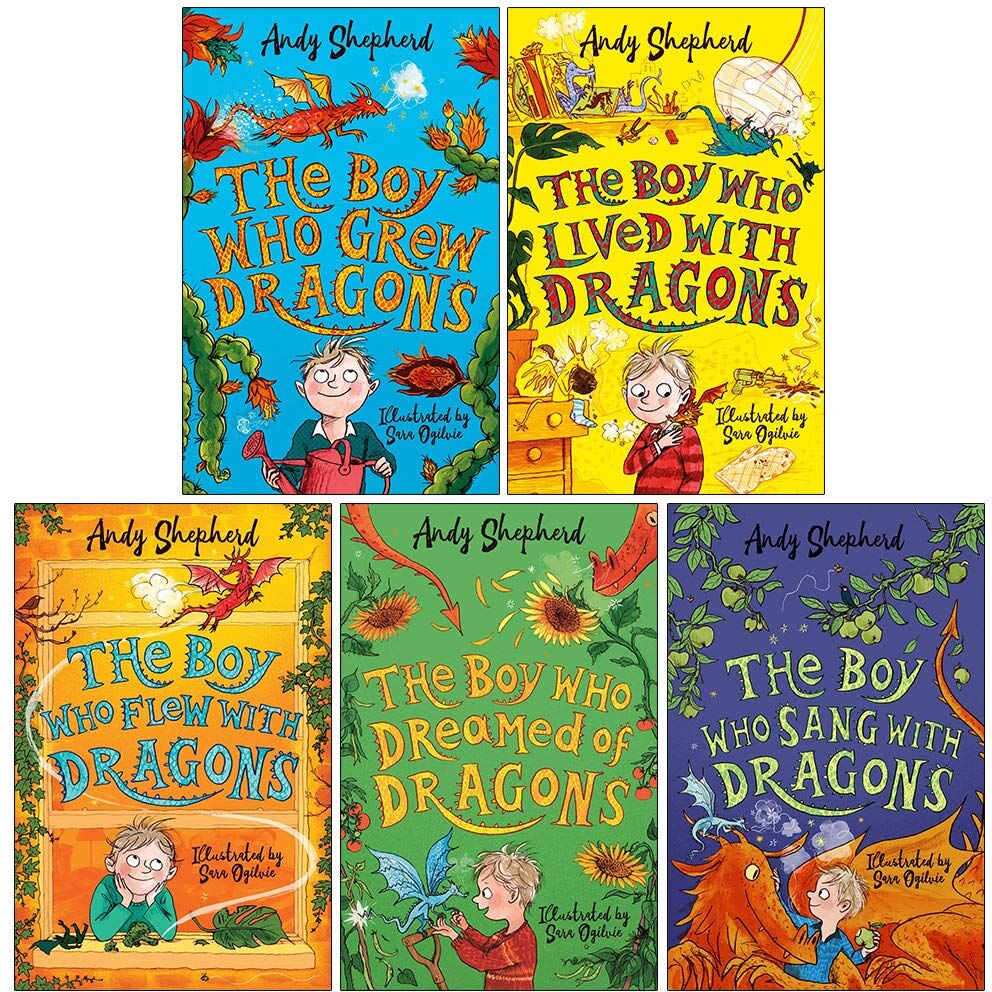
Piccadilly The Boy Who Grew 5 Books Collection Set by Andy Shepherd The Boy Who Grew Dragons, The Boy Who Lived with Dragons, The Boy Who Flew with Dragons, TheThe Boy Who Grew Dragons When Tomas discovers a strange old tree at the bottom of his grandad's garden, he doesn't think much of it. But he takes the funny fruit from the tree back into the house - and gets the shock and delight of his life when a tiny dragon hatches! The tree is a dragonfruit tree, and Tomas has got his very own dragon, Flicker ...Tomas soon finds out that life with Flicker is great fun, but also very ... unpredictable. The Boy Who Lived with Dragons Tomas has a secret - a big secret. He has his own tiny dragon, Flicker! A dragon which grew on a very special tree at the bottom of his grandad's garden. And not only that - his friends Ted, Kai and Kat have dragons too, all grown on the same dragonfruit tree ...Having your own dragon is magical - but Tomas is also about to find out what living with a dragon is REALLY like. The Boy Who Flew with Dragons Tomas can't imagine life without his little dragon Flicker. He's become more than a pet - he's a friend like no other. And growing dragons on the dragonfruit tree in the garden with his friends Ted, Kat and Kai is the most amazing thing ever. But Tomas has promised Grandad something - that he and his friends will let their dragons go back to where they belong. The Boy Who Dreamed of Dragons Eleven-year-old Tomas has a secret friend like no other: Flicker, a dragon with glittering eyes and scales that flicker from fiery orange to ruby red. But Tomas is also having to get used to Flicker being away, now that his dragon's home is back in the frosty North. Adventure is never far away for Tomas, though - as he finds out. The Boy Who Sang with Dragons Tomas is a fully-fledged expert dragon grower and protector of the dragonfruit tree. He has eyes in the back of his head for watching over those sneaky dragons, awesomely fast reflexes for putting out sparks and dodging the diving antics of whirling newly hatched dragons. Tags; Andy shepherd dragons22,99 £*Shipping: 2,99 £Secure redirect to the provider
-
Orion A Brief History of Everyone Who Ever Lived by Adam Rutherford – The Stories in Our DNAA Brief History of Everyone Who Ever Lived by Adam Rutherford This is a story about you.It is the history of who you are and how you came to be. It is unique to you, as it is to each of the 100 billion modern humans who have ever drawn breath. But it is also our collective story, because in every one of our genomes we each carry the history of our species - births, deaths, disease, war, famine, migration and a lot of sex.In this captivating journey through the expanding landscape of genetics, Adam Rutherford reveals what our genes now tell us about human history, and what history can now tell us about our genes. From Neanderthals to murder, from redheads to race, dead kings to plague, evolution to epigenetics, this is a demystifying and illuminating new portrait of who we are and how we came to be.4,95 £*Shipping: 1,99 £Secure redirect to the provider
-
Who Would Win? 10 Book SetWhich dangerous animals would win in a fight? Find out in this amazing box set, which includes 10 books in the bestselling Who Would Win? series, including: Alligator vs. Python Green Ants vs. Army Ants Hyena vs. Honey Badger Triceratops vs....42,49 $*Shipping: 0,00 $Secure redirect to the provider
-
Who wins the culture war?
The concept of "winning" the culture war is complex and subjective, as culture is constantly evolving and changing. Different groups and individuals may perceive themselves as winning or losing based on their own values and beliefs. Ultimately, the idea of "winning" the culture war may not be the most productive way to approach cultural diversity and differences. Instead, fostering understanding, empathy, and respect for diverse perspectives can lead to a more inclusive and harmonious society. **
-
What are art and culture events?
Art and culture events are gatherings or activities that showcase various forms of artistic expression, such as visual arts, music, dance, theater, literature, and more. These events provide a platform for artists to share their work with the public and engage in creative dialogue. They also offer opportunities for individuals to immerse themselves in different cultural experiences, broaden their perspectives, and appreciate the diversity of human expression. Overall, art and culture events play a vital role in enriching communities, fostering creativity, and promoting understanding and connection among people. **
-
What is the difference between culture and tradition?
Culture refers to the beliefs, customs, arts, and social behaviors of a particular group of people, encompassing a broader range of practices and values. On the other hand, tradition specifically refers to the customs and practices that are passed down from generation to generation within a specific community or society. While culture is more dynamic and can evolve over time, traditions tend to be more static and rooted in history and heritage. **
-
Who writes the history?
History is typically written by those in power or those who have the means to record and preserve their version of events. This often leads to a biased or one-sided perspective of historical events. However, efforts are being made to include diverse voices and perspectives in the writing of history to provide a more comprehensive and accurate account of the past. Ultimately, history is a collective narrative shaped by various individuals and groups, each contributing their own perspectives and interpretations. **
Similar search terms for Who
-
ForAllApparel Behind Every Daughter Who Believes In Herself Is A Dad Who Believed In Her First White SBehind every Daughter who believes in herself is a Dad who believed in her first. It's made of a thicker, heavier cotton, but it's still soft and comfy. And the double stitching on the neckline and sleeves add more durability to what is sure to be a...29,97 $*Shipping: 0,00 $Secure redirect to the provider
-
Lenox Who-Ville Sweet Shop Lit FigurineInspired by Dr. Seuss's classic Grinchmas story, this light-up ivory porcelain figurine depicts a signature Who-ville style Sweet Shop, complete with an icing-covered roof, colorful details, and a soft illuminating glow. Features: © Dr.74,95 $*Shipping: 0,00 $Secure redirect to the provider
-
Inspired Finds Doctor Who TARDIS Book Nook Kit 3D DIY Wooden Puzzle Bookshelf Insert & Handmade Model Decoration doctor WhoStep into another dimension every time you reach for a book with our Doctor Who book nook kit. This 3D DIY wooden puzzle recreates the iconic TARDIS in intricate detail, transforming your bookshelf into a portal of imagination. Perfect for...164,99 $*Shipping: 0,00 $Secure redirect to the provider
-
ForAllApparel Behind Every Daughter Who Believes In Herself Is A Dad Who Believed In Her First Black XLBehind every Daughter who believes in herself is a Dad who believed in her first. It's made of a thicker, heavier cotton, but it's still soft and comfy. And the double stitching on the neckline and sleeves add more durability to what is sure to be a...29,97 $*Shipping: 0,00 $Secure redirect to the provider
-
Who works at the children's village?
The children's village is typically staffed by a team of dedicated professionals, including social workers, child psychologists, teachers, and caregivers. These individuals work together to provide a nurturing and supportive environment for the children living in the village. They are responsible for meeting the physical, emotional, and educational needs of the children, and often work closely with the local community to ensure the children receive the best care possible. Additionally, volunteers and support staff may also be involved in the day-to-day operations of the children's village. **
-
What is the meaning of tradition, culture, and identity?
Tradition refers to the customs, beliefs, and practices that are passed down from generation to generation within a community or society. Culture encompasses the shared values, beliefs, and behaviors of a particular group of people, including their language, art, music, and social norms. Identity is the sense of self and belonging that is shaped by one's cultural background, traditions, and experiences. Together, tradition, culture, and identity form the foundation of a person's sense of belonging and connection to their community and heritage. **
-
What is a village history?
A village history is a record of the events, people, and developments that have shaped a particular village over time. It typically includes information about the founding of the village, its growth and development, significant events that have occurred there, and the impact of various social, economic, and political changes on the community. Village histories often also include details about prominent individuals, local customs and traditions, and the evolution of the village's physical landscape. These records are important for preserving the unique identity and heritage of a village and providing insight into its past. **
-
Who were the architects of Romanesque architecture?
The architects of Romanesque architecture were primarily anonymous master builders and craftsmen who worked on the construction of churches, monasteries, and other religious buildings during the Romanesque period (approximately 1000-1200 AD). These skilled artisans were often members of guilds or religious orders and were responsible for designing and constructing the thick-walled, fortress-like structures characteristic of Romanesque architecture. While specific names of architects are rarely known, their collective work has left a lasting legacy in the form of some of the most iconic buildings of the medieval period. **
* All prices are inclusive of VAT and, if applicable, plus shipping costs. The offer information is based on the details provided by the respective shop and is updated through automated processes. Real-time updates do not occur, so deviations can occur in individual cases. ** Note: Parts of this content were created by AI.