Buy dingelstaedt.eu ?
We are moving the project
dingelstaedt.eu .
Are you interested in purchasing the domain
dingelstaedt.eu ?
domain@kv-gmbh.de · 0541-91531010
Buy dingelstaedt.eu ?
What is the difference between conditional and conditional?
The question seems to have a typo. It appears to be asking for the difference between "conditional" and "condition." A "conditional" typically refers to something that is dependent on a certain condition or situation, such as an "if-then" statement in programming or a requirement that must be met. On the other hand, a "condition" is the specific circumstance or state that must be satisfied for the conditional to be true or for something to happen. In essence, a condition sets the criteria for a conditional to be applicable or valid. **
What are signal words for Conditional 1 and Conditional 2?
Signal words for Conditional 1 include "if," "when," "unless," and "provided that." These words indicate a possible future condition and its likely result. Signal words for Conditional 2 include "would," "could," "might," and "should." These words suggest a hypothetical or unlikely condition and its potential outcome. **

Similar search terms for Conditional
Top-Angebote
Products related to Conditional:
-
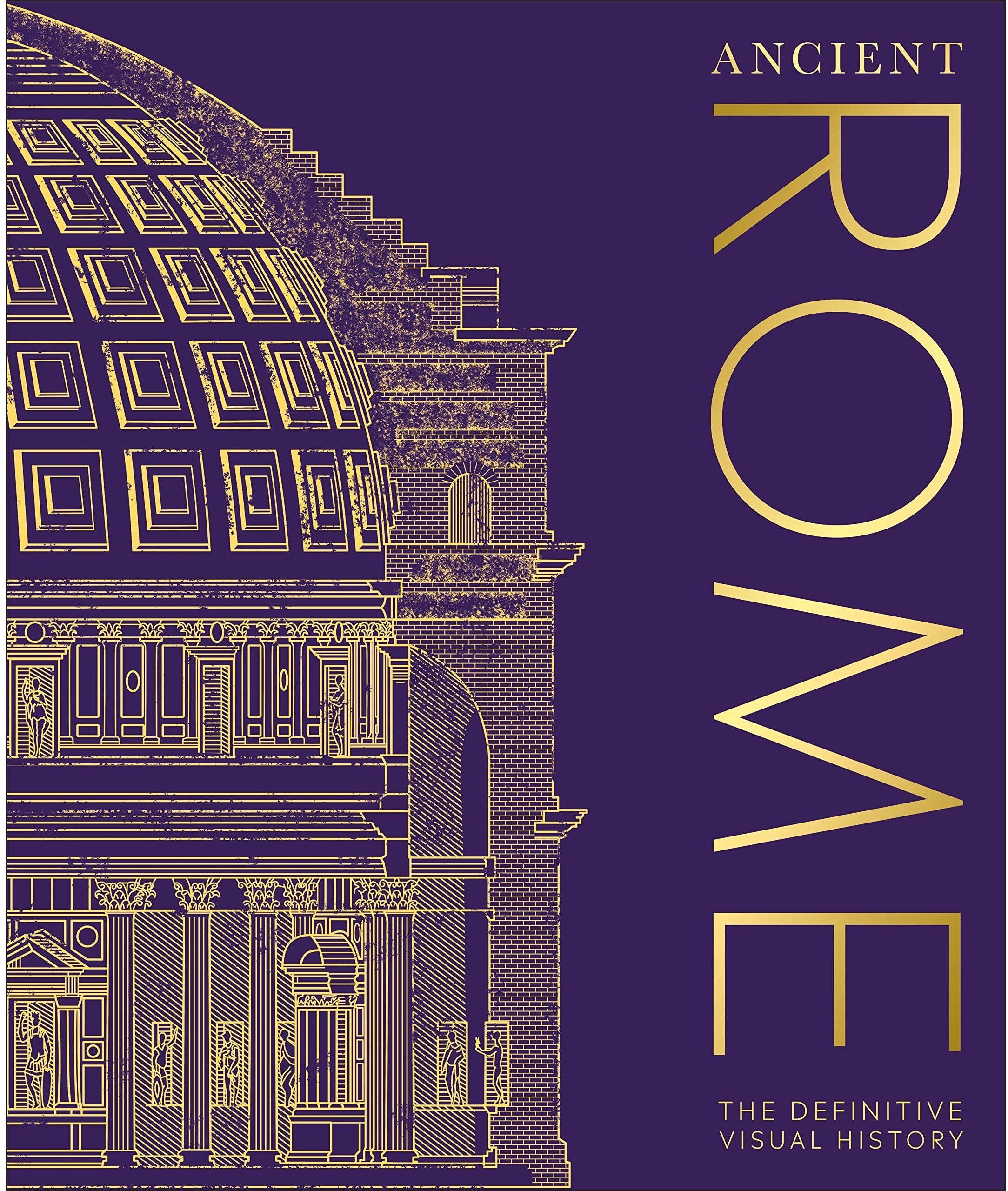
Ancient Rome: The Definitive Visual History (DK Classic History)Immerse yourself in the history of ancient Rome - from its origins as a small settlement on the Palatine Hill to its peak as an empire reigning over 90 million people, and its tumultuous decline. Covering more than 1,000 years of history, and an empire that stretched from Scotland to Syria, Ancient Rome reveals in vivid detail all of the key political, cultural, and military events that shaped the Roman Empire and explores what it was like to live in a society that laid the foundations for many aspects of the modern world. Sumptuous photography and engaging text cover every facet of life in ancient Rome, from art, entertainment, and fashion to engineering, medicine, and war, while detailed maps trace the rise of the mighty Roman Empire. Step back in time in the pages of this history book to discover:- Themed spreads explore developments in areas such as sculpture, religion, warfare, and engineering. - Includes tales of the most dramatic events and battles in Roman history, as well as profiles of influential historical and cultural figures. - An optional 80pp reference section includes sections on rulers, gods and goddesses, and key sites. Featuring Rome's greatest emperors, from Augustus to Constantine, as well as profiles of generals, historians, and influential women, Ancient Rome also delves into the fascinating stories of gladiators, bakers, and enslaved people. The most iconic buildings of Rome are brought to life with specially commissioned CGI recreations, while the stories of ordinary citizens, soldiers, and persecuted groups from across the empire are told with the help of illustrations, artefacts, and eyewitness accounts. Beautifully illustrated and unparalleled in scope, Ancient Rome is the perfect book for anyone who is interested in this defining period of world history.19,95 £*Shipping: 2,99 £Secure redirect to the provider
-
Is the conditional 1 the same as the conditional present?
Yes, the conditional 1 is the same as the conditional present. In English grammar, the conditional 1 is used to talk about hypothetical situations and their possible outcomes in the present or future. It is formed by using the auxiliary verb "would" followed by the base form of the main verb. This is the same structure used for the conditional present tense, making them essentially the same tense with different names. **
-
What is conditional formatting?
Conditional formatting is a feature in spreadsheet applications that allows users to apply formatting rules to cells based on specific conditions. This feature helps users to visually highlight important information, trends, or outliers in their data. For example, users can set up rules to automatically change the color of cells that meet certain criteria, such as values above a certain threshold. Conditional formatting helps to make data analysis easier and more efficient by drawing attention to key insights. **
-
Conditional, subjunctive or indicative?
The choice between conditional, subjunctive, or indicative mood depends on the context of the sentence. The conditional mood is used to express a hypothetical situation or a condition that is dependent on something else happening. The subjunctive mood is used to express wishes, recommendations, or possibilities. The indicative mood is used to state facts or ask questions. **
-
What does the Conditional express?
The Conditional expresses a situation or action that is dependent on another situation or action. It is used to talk about hypothetical or possible events in the future, and it often involves the use of the words "if" or "when." The Conditional helps to convey the idea of cause and effect, and it allows us to discuss potential outcomes based on certain conditions being met. **
How is the conditional formed?
The conditional in English is formed by using the modal verb "would" followed by the base form of the main verb. For example, "I would go" or "She would study." The conditional is used to talk about hypothetical situations, future possibilities, or polite requests. It is important to note that the conditional is often used with an "if" clause to show the condition that must be met for the action to take place. **
What is a conditional probability?
A conditional probability is the probability of an event occurring given that another event has already occurred. It is denoted as P(A|B), where A is the event we are interested in and B is the event that has already occurred. The conditional probability is calculated by dividing the probability of both events occurring by the probability of the given event occurring. Conditional probability is used to update our beliefs about the likelihood of an event based on new information or prior knowledge. **
Top-Angebote
Products related to Conditional:
-
From the Archives: Black History and Culture Value PackThis brand-new series is rooted in a profound commitment to shedding light on some of the important -- and often lesser-known -- aspects of Black history. From the Archives features landmarks, events, people, and artistic endeavors that have played...26,99 $*Shipping: 0,00 $Secure redirect to the provider
-
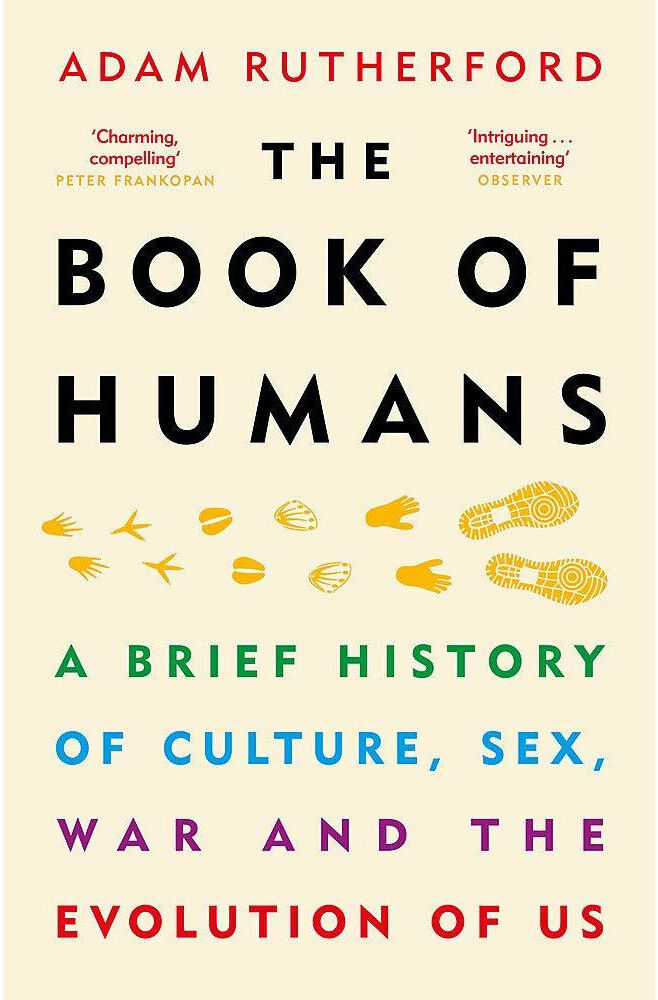
Orion The Book of Humans by Adam Rutherford – A Brief History of Culture, Sex, War & EvolutionWHAT MAKES US HUMAN? Waging war? Sex for pleasure? Creating art? Mastery of fire? In this thrilling tour of the animal kingdom, Adam Rutherford tells the story of how we became the unique creatures we are today. Illuminated by the latest scientific discoveries, THE BOOK OF HUMANS is a dazzling compendium of what unequivocally fixes us as animals, and reveals how we are extraordinary among them.4,98 £*Shipping: 1,99 £Secure redirect to the provider
-
Ancient Rome: The Definitive Visual History (DK Classic History)Immerse yourself in the history of ancient Rome - from its origins as a small settlement on the Palatine Hill to its peak as an empire reigning over 90 million people, and its tumultuous decline. Covering more than 1,000 years of history, and an empire that stretched from Scotland to Syria, Ancient Rome reveals in vivid detail all of the key political, cultural, and military events that shaped the Roman Empire and explores what it was like to live in a society that laid the foundations for many aspects of the modern world. Sumptuous photography and engaging text cover every facet of life in ancient Rome, from art, entertainment, and fashion to engineering, medicine, and war, while detailed maps trace the rise of the mighty Roman Empire. Step back in time in the pages of this history book to discover:- Themed spreads explore developments in areas such as sculpture, religion, warfare, and engineering. - Includes tales of the most dramatic events and battles in Roman history, as well as profiles of influential historical and cultural figures. - An optional 80pp reference section includes sections on rulers, gods and goddesses, and key sites. Featuring Rome's greatest emperors, from Augustus to Constantine, as well as profiles of generals, historians, and influential women, Ancient Rome also delves into the fascinating stories of gladiators, bakers, and enslaved people. The most iconic buildings of Rome are brought to life with specially commissioned CGI recreations, while the stories of ordinary citizens, soldiers, and persecuted groups from across the empire are told with the help of illustrations, artefacts, and eyewitness accounts. Beautifully illustrated and unparalleled in scope, Ancient Rome is the perfect book for anyone who is interested in this defining period of world history.19,95 £*Shipping: 2,99 £Secure redirect to the provider
-
What is the difference between conditional and conditional?
The question seems to have a typo. It appears to be asking for the difference between "conditional" and "condition." A "conditional" typically refers to something that is dependent on a certain condition or situation, such as an "if-then" statement in programming or a requirement that must be met. On the other hand, a "condition" is the specific circumstance or state that must be satisfied for the conditional to be true or for something to happen. In essence, a condition sets the criteria for a conditional to be applicable or valid. **
-
What are signal words for Conditional 1 and Conditional 2?
Signal words for Conditional 1 include "if," "when," "unless," and "provided that." These words indicate a possible future condition and its likely result. Signal words for Conditional 2 include "would," "could," "might," and "should." These words suggest a hypothetical or unlikely condition and its potential outcome. **
-
Is the conditional 1 the same as the conditional present?
Yes, the conditional 1 is the same as the conditional present. In English grammar, the conditional 1 is used to talk about hypothetical situations and their possible outcomes in the present or future. It is formed by using the auxiliary verb "would" followed by the base form of the main verb. This is the same structure used for the conditional present tense, making them essentially the same tense with different names. **
-
What is conditional formatting?
Conditional formatting is a feature in spreadsheet applications that allows users to apply formatting rules to cells based on specific conditions. This feature helps users to visually highlight important information, trends, or outliers in their data. For example, users can set up rules to automatically change the color of cells that meet certain criteria, such as values above a certain threshold. Conditional formatting helps to make data analysis easier and more efficient by drawing attention to key insights. **
Similar search terms for Conditional
-
Conditional, subjunctive or indicative?
The choice between conditional, subjunctive, or indicative mood depends on the context of the sentence. The conditional mood is used to express a hypothetical situation or a condition that is dependent on something else happening. The subjunctive mood is used to express wishes, recommendations, or possibilities. The indicative mood is used to state facts or ask questions. **
-
What does the Conditional express?
The Conditional expresses a situation or action that is dependent on another situation or action. It is used to talk about hypothetical or possible events in the future, and it often involves the use of the words "if" or "when." The Conditional helps to convey the idea of cause and effect, and it allows us to discuss potential outcomes based on certain conditions being met. **
-
How is the conditional formed?
The conditional in English is formed by using the modal verb "would" followed by the base form of the main verb. For example, "I would go" or "She would study." The conditional is used to talk about hypothetical situations, future possibilities, or polite requests. It is important to note that the conditional is often used with an "if" clause to show the condition that must be met for the action to take place. **
-
What is a conditional probability?
A conditional probability is the probability of an event occurring given that another event has already occurred. It is denoted as P(A|B), where A is the event we are interested in and B is the event that has already occurred. The conditional probability is calculated by dividing the probability of both events occurring by the probability of the given event occurring. Conditional probability is used to update our beliefs about the likelihood of an event based on new information or prior knowledge. **
* All prices are inclusive of VAT and, if applicable, plus shipping costs. The offer information is based on the details provided by the respective shop and is updated through automated processes. Real-time updates do not occur, so deviations can occur in individual cases. ** Note: Parts of this content were created by AI.