Buy dingelstaedt.eu ?
We are moving the project
dingelstaedt.eu .
Are you interested in purchasing the domain
dingelstaedt.eu ?
domain@kv-gmbh.de · 0541-91531010
Buy dingelstaedt.eu ?
Was there also a Roman Colosseum in today's Germany?
No, there was not a Roman Colosseum in today's Germany. The Roman Colosseum, also known as the Colosseum or Flavian Amphitheatre, is located in Rome, Italy. It was built in the 1st century AD and was used for gladiatorial contests and public spectacles. While there were Roman settlements and structures in what is now Germany, there is no evidence of a Colosseum being built there. **
What events took place in the Colosseum?
The Colosseum in Rome was a site for various events, including gladiatorial contests, animal hunts, mock sea battles, and executions. Gladiators would fight each other or wild animals in front of a large audience. The Colosseum was also used for reenactments of famous battles and mythological dramas. The events held in the Colosseum were a form of entertainment for the Roman citizens and were often used by emperors to gain popularity and support from the people. **


Similar search terms for EP-Light-Roman-Colosseum
Top-Angebote
Products related to EP-Light-Roman-Colosseum:
-
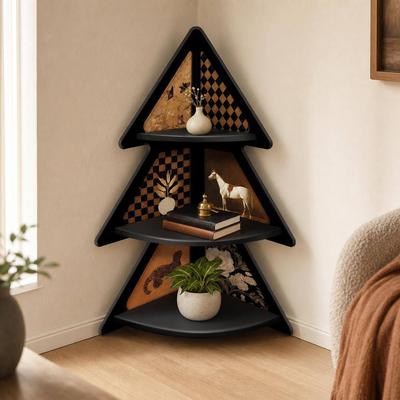
EP Light Vintage Tree Corner Shelf Accent Display StandTransform forgotten corners into captivating showcases with this enchanting tree-shaped display stand. Three graceful tiers create the perfect stage for treasured books, cherished keepsakes, and seasonal décor that tells your unique story year-round.174,49 $*Shipping: 0,00 $Secure redirect to the provider
-
EP Light "42.1"" Mid-Century Modern Wood Wall Shelf w/ Foldable Tray""Elevate your home decor with this one-of-a-kind ""Waiter"" shelf. Blending Mid-Century Modern elegance with a touch of whimsical humor, this piece serves as both a functional shelving unit and a captivating floor sculpture."77,99 $*Shipping: 0,00 $Secure redirect to the provider


-
Who destroyed the Colosseum?
The Colosseum in Rome was not destroyed by a single event or individual. Over the centuries, it suffered damage from earthquakes, fires, and stone-robbers who dismantled parts of the structure for building materials. Additionally, neglect and lack of maintenance contributed to its deterioration. Despite these challenges, the Colosseum remains standing as a symbol of ancient Roman engineering and architecture. **
-
How is Pokémon Colosseum?
Pokémon Colosseum is a unique and enjoyable game that offers a different experience from the traditional Pokémon games. It features a darker storyline and a focus on capturing and purifying Shadow Pokémon. The game also introduces the concept of Double Battles, adding a new layer of strategy to the gameplay. While it may not have the same depth as the main series games, Pokémon Colosseum is still a fun and engaging experience for fans of the franchise. **
-
What did the Roman living culture look like in a Roman house?
The Roman living culture in a Roman house was centered around the concept of the domus, which was the main living space for the family. The domus typically included a central courtyard, known as the atrium, which was the focal point of the house and where the family would gather. The living spaces were often decorated with colorful frescoes, mosaics, and statues, reflecting the wealth and status of the inhabitants. The Romans also valued privacy and had separate living quarters for men and women, with the women's quarters typically located in the back of the house. Additionally, Roman houses often had a strong connection to the outdoors, with gardens, fountains, and outdoor dining areas, reflecting the importance of nature and leisure in Roman culture. **
-
How can one hold Roman light in their hand?
One can hold Roman light in their hand by using a replica of a Roman oil lamp. These lamps were commonly used in ancient Rome and were fueled by olive oil. Today, there are many replicas available for purchase that are functional and can be used to hold a small flame, allowing one to experience the same type of light that would have been used in ancient Roman times. Holding a replica Roman oil lamp can provide a tangible connection to the past and a sense of the daily life of ancient Romans. **


Which Roman building corresponds to sacred architecture?
The Pantheon in Rome corresponds to sacred architecture. It was originally built as a temple to the Roman gods, and its design and construction reflect the sacred and spiritual significance of the building. The Pantheon's dome, in particular, is a remarkable feat of engineering and architecture, and it has been revered for its religious and symbolic significance throughout history. Today, the Pantheon is a popular tourist attraction and is still used as a church, continuing its legacy as a sacred space. **
How was the Colosseum flooded?
The Colosseum was flooded by a complex system of channels and drains that were designed to bring water into the arena for mock naval battles, known as naumachiae. The channels were connected to the nearby Aqua Claudia and Anio Novus aqueducts, which brought water from distant sources into the city of Rome. The arena could be flooded quickly and efficiently, allowing for the staging of these spectacular and dramatic naval battles for the entertainment of the Roman citizens. **
Top-Angebote
Products related to EP-Light-Roman-Colosseum:
-
EP Light Vintage Tree Corner Shelf Accent Display StandTransform forgotten corners into captivating showcases with this enchanting tree-shaped display stand. Three graceful tiers create the perfect stage for treasured books, cherished keepsakes, and seasonal décor that tells your unique story year-round.174,49 $*Shipping: 0,00 $Secure redirect to the provider
-
Was there also a Roman Colosseum in today's Germany?
No, there was not a Roman Colosseum in today's Germany. The Roman Colosseum, also known as the Colosseum or Flavian Amphitheatre, is located in Rome, Italy. It was built in the 1st century AD and was used for gladiatorial contests and public spectacles. While there were Roman settlements and structures in what is now Germany, there is no evidence of a Colosseum being built there. **
-
What events took place in the Colosseum?
The Colosseum in Rome was a site for various events, including gladiatorial contests, animal hunts, mock sea battles, and executions. Gladiators would fight each other or wild animals in front of a large audience. The Colosseum was also used for reenactments of famous battles and mythological dramas. The events held in the Colosseum were a form of entertainment for the Roman citizens and were often used by emperors to gain popularity and support from the people. **
-
Who destroyed the Colosseum?
The Colosseum in Rome was not destroyed by a single event or individual. Over the centuries, it suffered damage from earthquakes, fires, and stone-robbers who dismantled parts of the structure for building materials. Additionally, neglect and lack of maintenance contributed to its deterioration. Despite these challenges, the Colosseum remains standing as a symbol of ancient Roman engineering and architecture. **
-
How is Pokémon Colosseum?
Pokémon Colosseum is a unique and enjoyable game that offers a different experience from the traditional Pokémon games. It features a darker storyline and a focus on capturing and purifying Shadow Pokémon. The game also introduces the concept of Double Battles, adding a new layer of strategy to the gameplay. While it may not have the same depth as the main series games, Pokémon Colosseum is still a fun and engaging experience for fans of the franchise. **
Similar search terms for EP-Light-Roman-Colosseum
-
EP Light "42.1"" Mid-Century Modern Wood Wall Shelf w/ Foldable Tray""Elevate your home decor with this one-of-a-kind ""Waiter"" shelf. Blending Mid-Century Modern elegance with a touch of whimsical humor, this piece serves as both a functional shelving unit and a captivating floor sculpture."77,99 $*Shipping: 0,00 $Secure redirect to the provider
-
What did the Roman living culture look like in a Roman house?
The Roman living culture in a Roman house was centered around the concept of the domus, which was the main living space for the family. The domus typically included a central courtyard, known as the atrium, which was the focal point of the house and where the family would gather. The living spaces were often decorated with colorful frescoes, mosaics, and statues, reflecting the wealth and status of the inhabitants. The Romans also valued privacy and had separate living quarters for men and women, with the women's quarters typically located in the back of the house. Additionally, Roman houses often had a strong connection to the outdoors, with gardens, fountains, and outdoor dining areas, reflecting the importance of nature and leisure in Roman culture. **
-
How can one hold Roman light in their hand?
One can hold Roman light in their hand by using a replica of a Roman oil lamp. These lamps were commonly used in ancient Rome and were fueled by olive oil. Today, there are many replicas available for purchase that are functional and can be used to hold a small flame, allowing one to experience the same type of light that would have been used in ancient Roman times. Holding a replica Roman oil lamp can provide a tangible connection to the past and a sense of the daily life of ancient Romans. **
-
Which Roman building corresponds to sacred architecture?
The Pantheon in Rome corresponds to sacred architecture. It was originally built as a temple to the Roman gods, and its design and construction reflect the sacred and spiritual significance of the building. The Pantheon's dome, in particular, is a remarkable feat of engineering and architecture, and it has been revered for its religious and symbolic significance throughout history. Today, the Pantheon is a popular tourist attraction and is still used as a church, continuing its legacy as a sacred space. **
-
How was the Colosseum flooded?
The Colosseum was flooded by a complex system of channels and drains that were designed to bring water into the arena for mock naval battles, known as naumachiae. The channels were connected to the nearby Aqua Claudia and Anio Novus aqueducts, which brought water from distant sources into the city of Rome. The arena could be flooded quickly and efficiently, allowing for the staging of these spectacular and dramatic naval battles for the entertainment of the Roman citizens. **
* All prices are inclusive of VAT and, if applicable, plus shipping costs. The offer information is based on the details provided by the respective shop and is updated through automated processes. Real-time updates do not occur, so deviations can occur in individual cases. ** Note: Parts of this content were created by AI.