Buy dingelstaedt.eu ?
We are moving the project
dingelstaedt.eu .
Are you interested in purchasing the domain
dingelstaedt.eu ?
domain@kv-gmbh.de · 0541-91531010
Buy dingelstaedt.eu ?
What does the term investiture mean in history?
In history, the term investiture refers to the formal installation or appointment of a person to a position of power or authority, often by a higher-ranking individual or institution. This term is commonly associated with the medieval practice of investiture, in which secular rulers or nobles would appoint bishops and other church officials, leading to conflicts between the church and state over the control of ecclesiastical appointments. Investiture also has broader applications in the context of feudalism, where it could refer to the granting of land or other resources to vassals in exchange for their loyalty and service. **
What is a lay investiture?
A lay investiture was a practice in medieval Europe where secular rulers, such as kings or nobles, appointed church officials, such as bishops or abbots. This practice gave secular rulers significant influence over the church and its affairs, leading to conflicts between secular and religious authorities. Lay investiture was a major point of contention during the Investiture Controversy in the 11th and 12th centuries, as the church sought to assert its independence from secular control. Ultimately, the issue was resolved with the Concordat of Worms in 1122, which established a compromise where the church had the authority to appoint bishops and abbots, but the emperor or king had the right to invest them with their secular powers. **

Similar search terms for Investiture
Top-Angebote
Products related to Investiture:
-
RLF Home Tradition Provance Valance"Fits Windows up to 50""W. Use multiples for Wider Windows. Decorator's quality fabrics. Fully lined with Poly/Cotton Ivory lining. Use a 2-1/2"" Continental Rod, a regular 3/4"" Curtain rod, Tension rod or Decorative pole no more than 1-3/8"" Diameter."64,49 $*Shipping: 0,00 $Secure redirect to the provider
-
Titan Assassins Creed - The Complete Visual History: The Definitive Visual HistoryThis stunning book explores the rich mythology of Assassins Creed®, featuring the art and history of the series from the first groundbreaking game through the graphic novels to the DLCs. Highlighting the lush and vibrant art that has become a hallmark of the series, this luxury coffee-table book brings the games famous historical locations and figures to life and explores the evolution of each iconic Assassin and Templar.15,99 £*Shipping: 2,99 £Secure redirect to the provider
-
Les Jardins LED path light Tradition Sensor Corten 90cm Tradition, dimmable, Brown / rust, Aluminium, Modern, outdoor solar lightsThe LED path light Tradition made of aluminum shows a modern cuboid shape and rust-brown corten steel finish. It can be operated autonomously thanks to equipment with solar module, rechargeable battery and motion sensor.- equipped with dimming function- operating time when fully charged: 5 h to 200 h (depending on light output)- protection class: IP66- alternatively rechargeable via USB connection- via ground spike (included) or permanently installable398,43 £*Shipping: 4,99 £Secure redirect to the provider
-
Uplifted Goods Optical Precision Pet Claw Architecture Optical Precision Pet Claw ArchitectureEnhance your pet grooming safety with the Optical Precision Pet Claw Architecture. This professional grade grooming solution is engineered with a specialized LED Illumination System designed to provide a definitive view of the delicate internal vein...39,97 $*Shipping: 0,00 $Secure redirect to the provider




-
What was the Investiture Controversy about?
The Investiture Controversy was a power struggle between the Pope and the Holy Roman Emperor in the 11th and 12th centuries. It revolved around the question of who had the authority to appoint bishops and other church officials - the Pope or the Emperor. The conflict highlighted the tension between secular and religious authority and ultimately led to a compromise known as the Concordat of Worms in 1122, which established the Pope's right to appoint bishops and abbots, while allowing the Emperor to have some influence in the process. **
-
Can you explain the Investiture Controversy to me?
The Investiture Controversy was a power struggle between the papacy and the Holy Roman Emperor in the 11th and 12th centuries. It revolved around the appointment of bishops and abbots, with both the pope and the emperor claiming the right to invest these church officials with their symbols of office. The conflict highlighted the struggle for supremacy between the secular and religious authorities, with the papacy ultimately asserting its authority over the appointment of church officials. The Investiture Controversy had significant political and religious implications, shaping the relationship between the church and the state in medieval Europe. **
-
What were the consequences of the Investiture Controversy?
The Investiture Controversy had several significant consequences. It led to a power struggle between the papacy and the Holy Roman Emperor, weakening the authority of the emperor and strengthening the authority of the papacy. It also resulted in a greater separation of church and state, as the controversy highlighted the need for clear distinctions between the roles of secular and religious leaders. Additionally, the Investiture Controversy contributed to the overall decline in the power and influence of the Holy Roman Empire, as it weakened the central authority of the emperor and led to increased regional autonomy. **
-
What significance does the investiture controversy have for Henry IV?
The investiture controversy was a power struggle between the papacy and secular rulers over the appointment of bishops and abbots. For Henry IV, the controversy had significant implications as he clashed with Pope Gregory VII over the right to appoint church officials in his realm. This conflict led to Henry being excommunicated by the Pope, causing a crisis in his rule and undermining his authority. The investiture controversy ultimately weakened Henry's position and contributed to ongoing tensions between the church and secular authorities. **


What is the factual and value judgment of the Investiture Controversy?
The Investiture Controversy was a power struggle between the papacy and the Holy Roman Emperor over the appointment of bishops and other church officials. Factually, the controversy lasted from 1075 to 1122 and was ultimately resolved by the Concordat of Worms, which granted the church the right to appoint bishops and abbots, but the emperor retained the right to invest them with the symbols of their office. In terms of value judgment, the Investiture Controversy was a significant moment in the history of the relationship between the church and the state, as it highlighted the struggle for power and authority between secular and religious leaders. It also marked a turning point in the development of the papacy's authority and independence from secular control. **
At which two points in the text is the Investiture Controversy discussed?
The Investiture Controversy is discussed in the text at two key points. The first point is when the text discusses the conflict between Pope Gregory VII and Holy Roman Emperor Henry IV over the appointment of bishops and the issue of lay investiture. The second point is when the text mentions the resolution of the Investiture Controversy with the signing of the Concordat of Worms in 1122, which established a compromise between the papacy and the Holy Roman Empire regarding the appointment of bishops. **
Top-Angebote
Products related to Investiture:
-
From the Archives: Black History and Culture Value PackThis brand-new series is rooted in a profound commitment to shedding light on some of the important -- and often lesser-known -- aspects of Black history. From the Archives features landmarks, events, people, and artistic endeavors that have played...26,99 $*Shipping: 0,00 $Secure redirect to the provider
-
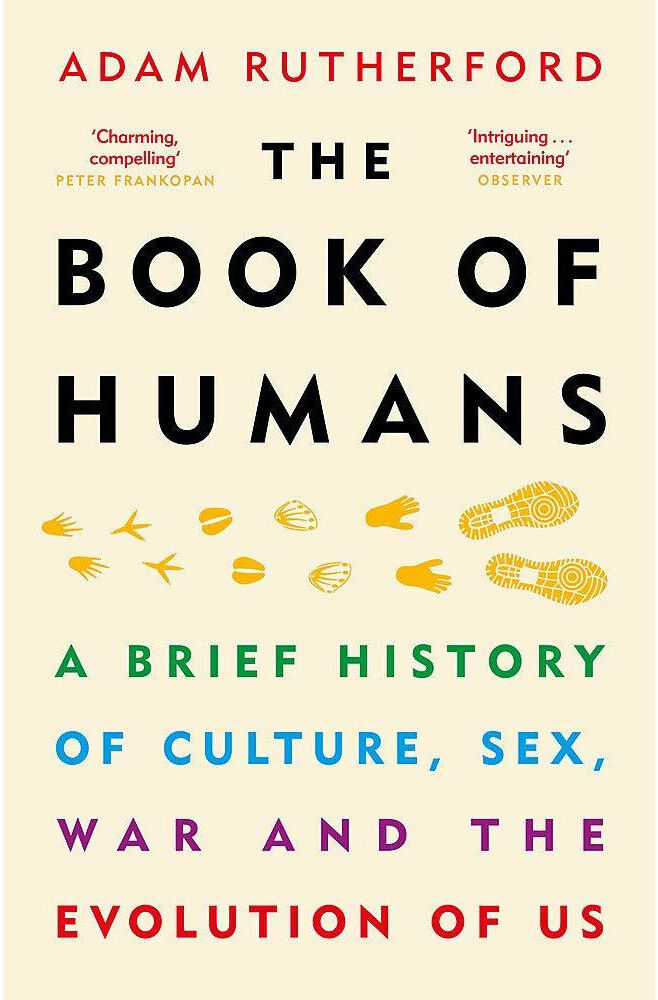
Orion The Book of Humans by Adam Rutherford – A Brief History of Culture, Sex, War & EvolutionWHAT MAKES US HUMAN? Waging war? Sex for pleasure? Creating art? Mastery of fire? In this thrilling tour of the animal kingdom, Adam Rutherford tells the story of how we became the unique creatures we are today. Illuminated by the latest scientific discoveries, THE BOOK OF HUMANS is a dazzling compendium of what unequivocally fixes us as animals, and reveals how we are extraordinary among them.4,98 £*Shipping: 1,99 £Secure redirect to the provider
-
RLF Home Tradition Provance Valance"Fits Windows up to 50""W. Use multiples for Wider Windows. Decorator's quality fabrics. Fully lined with Poly/Cotton Ivory lining. Use a 2-1/2"" Continental Rod, a regular 3/4"" Curtain rod, Tension rod or Decorative pole no more than 1-3/8"" Diameter."64,49 $*Shipping: 0,00 $Secure redirect to the provider
-
Titan Assassins Creed - The Complete Visual History: The Definitive Visual HistoryThis stunning book explores the rich mythology of Assassins Creed®, featuring the art and history of the series from the first groundbreaking game through the graphic novels to the DLCs. Highlighting the lush and vibrant art that has become a hallmark of the series, this luxury coffee-table book brings the games famous historical locations and figures to life and explores the evolution of each iconic Assassin and Templar.15,99 £*Shipping: 2,99 £Secure redirect to the provider
-
What does the term investiture mean in history?
In history, the term investiture refers to the formal installation or appointment of a person to a position of power or authority, often by a higher-ranking individual or institution. This term is commonly associated with the medieval practice of investiture, in which secular rulers or nobles would appoint bishops and other church officials, leading to conflicts between the church and state over the control of ecclesiastical appointments. Investiture also has broader applications in the context of feudalism, where it could refer to the granting of land or other resources to vassals in exchange for their loyalty and service. **
-
What is a lay investiture?
A lay investiture was a practice in medieval Europe where secular rulers, such as kings or nobles, appointed church officials, such as bishops or abbots. This practice gave secular rulers significant influence over the church and its affairs, leading to conflicts between secular and religious authorities. Lay investiture was a major point of contention during the Investiture Controversy in the 11th and 12th centuries, as the church sought to assert its independence from secular control. Ultimately, the issue was resolved with the Concordat of Worms in 1122, which established a compromise where the church had the authority to appoint bishops and abbots, but the emperor or king had the right to invest them with their secular powers. **
-
What was the Investiture Controversy about?
The Investiture Controversy was a power struggle between the Pope and the Holy Roman Emperor in the 11th and 12th centuries. It revolved around the question of who had the authority to appoint bishops and other church officials - the Pope or the Emperor. The conflict highlighted the tension between secular and religious authority and ultimately led to a compromise known as the Concordat of Worms in 1122, which established the Pope's right to appoint bishops and abbots, while allowing the Emperor to have some influence in the process. **
-
Can you explain the Investiture Controversy to me?
The Investiture Controversy was a power struggle between the papacy and the Holy Roman Emperor in the 11th and 12th centuries. It revolved around the appointment of bishops and abbots, with both the pope and the emperor claiming the right to invest these church officials with their symbols of office. The conflict highlighted the struggle for supremacy between the secular and religious authorities, with the papacy ultimately asserting its authority over the appointment of church officials. The Investiture Controversy had significant political and religious implications, shaping the relationship between the church and the state in medieval Europe. **
Similar search terms for Investiture
-
Les Jardins LED path light Tradition Sensor Corten 90cm Tradition, dimmable, Brown / rust, Aluminium, Modern, outdoor solar lightsThe LED path light Tradition made of aluminum shows a modern cuboid shape and rust-brown corten steel finish. It can be operated autonomously thanks to equipment with solar module, rechargeable battery and motion sensor.- equipped with dimming function- operating time when fully charged: 5 h to 200 h (depending on light output)- protection class: IP66- alternatively rechargeable via USB connection- via ground spike (included) or permanently installable398,43 £*Shipping: 4,99 £Secure redirect to the provider
-
Uplifted Goods Optical Precision Pet Claw Architecture Optical Precision Pet Claw ArchitectureEnhance your pet grooming safety with the Optical Precision Pet Claw Architecture. This professional grade grooming solution is engineered with a specialized LED Illumination System designed to provide a definitive view of the delicate internal vein...39,97 $*Shipping: 0,00 $Secure redirect to the provider
-
Novica Handmade Tradition Of The Heart Basalt BowlPrepare herbs, spices and sauces the way our ancestors did--with handmade stone tools. The Comonfort Group presents this heart-shaped basalt bowl, crafted by hand in a labor-intensive process.132,98 $*Shipping: 0,00 $Secure redirect to the provider
-
What were the consequences of the Investiture Controversy?
The Investiture Controversy had several significant consequences. It led to a power struggle between the papacy and the Holy Roman Emperor, weakening the authority of the emperor and strengthening the authority of the papacy. It also resulted in a greater separation of church and state, as the controversy highlighted the need for clear distinctions between the roles of secular and religious leaders. Additionally, the Investiture Controversy contributed to the overall decline in the power and influence of the Holy Roman Empire, as it weakened the central authority of the emperor and led to increased regional autonomy. **
-
What significance does the investiture controversy have for Henry IV?
The investiture controversy was a power struggle between the papacy and secular rulers over the appointment of bishops and abbots. For Henry IV, the controversy had significant implications as he clashed with Pope Gregory VII over the right to appoint church officials in his realm. This conflict led to Henry being excommunicated by the Pope, causing a crisis in his rule and undermining his authority. The investiture controversy ultimately weakened Henry's position and contributed to ongoing tensions between the church and secular authorities. **
-
What is the factual and value judgment of the Investiture Controversy?
The Investiture Controversy was a power struggle between the papacy and the Holy Roman Emperor over the appointment of bishops and other church officials. Factually, the controversy lasted from 1075 to 1122 and was ultimately resolved by the Concordat of Worms, which granted the church the right to appoint bishops and abbots, but the emperor retained the right to invest them with the symbols of their office. In terms of value judgment, the Investiture Controversy was a significant moment in the history of the relationship between the church and the state, as it highlighted the struggle for power and authority between secular and religious leaders. It also marked a turning point in the development of the papacy's authority and independence from secular control. **
-
At which two points in the text is the Investiture Controversy discussed?
The Investiture Controversy is discussed in the text at two key points. The first point is when the text discusses the conflict between Pope Gregory VII and Holy Roman Emperor Henry IV over the appointment of bishops and the issue of lay investiture. The second point is when the text mentions the resolution of the Investiture Controversy with the signing of the Concordat of Worms in 1122, which established a compromise between the papacy and the Holy Roman Empire regarding the appointment of bishops. **
* All prices are inclusive of VAT and, if applicable, plus shipping costs. The offer information is based on the details provided by the respective shop and is updated through automated processes. Real-time updates do not occur, so deviations can occur in individual cases. ** Note: Parts of this content were created by AI.