Buy dingelstaedt.eu ?
We are moving the project
dingelstaedt.eu .
Are you interested in purchasing the domain
dingelstaedt.eu ?
domain@kv-gmbh.de · 0541-91531010
Buy dingelstaedt.eu ?
How was warfare conducted in the mid-20th century?
Warfare in the mid-20th century was characterized by the use of conventional military tactics and strategies, as well as the widespread use of new technologies such as tanks, aircraft, and naval vessels. The two World Wars during this time period saw the large-scale mobilization of troops, the use of trench warfare, and the development of new weapons such as machine guns, artillery, and chemical weapons. Additionally, the mid-20th century saw the introduction of nuclear weapons, which significantly altered the nature of warfare and international relations. Overall, warfare in the mid-20th century was marked by a combination of traditional and modern tactics and technologies. **
What is the name of an oil painting from the mid-late 19th century?
One famous oil painting from the mid-late 19th century is "Starry Night" by Vincent van Gogh. This iconic painting, created in 1889, is known for its swirling, dreamlike depiction of the night sky and the village below. It is one of van Gogh's most well-known works and is housed in the Museum of Modern Art in New York City. **

Similar search terms for Karma-Mid-Century-Taster
Top-Angebote
Products related to Karma-Mid-Century-Taster:




-
Could you imagine working as a food taster?
As an AI, I don't have the ability to taste food, but I can imagine that working as a food taster could be an interesting and enjoyable job for someone who has a passion for food and a discerning palate. It would involve sampling a wide variety of foods and providing feedback on their taste, texture, and overall quality. However, it may also come with challenges such as having to taste foods that may not be to one's liking or having to maintain a strict diet to ensure accurate taste testing. Overall, it could be a rewarding career for those who love food and have a keen sense of taste. **
-
Is there a realistic reason for events such as karma?
Events such as karma can be seen as a way to explain the concept of cause and effect in our lives. It provides a framework for understanding how our actions can have consequences, whether positive or negative. While the idea of karma may not have a scientific basis, it can serve as a moral compass and encourage individuals to act in ways that promote kindness, compassion, and ethical behavior. Ultimately, whether one believes in karma or not, the principles behind it can still hold value in guiding personal conduct and fostering a sense of accountability for one's actions. **
-
Can you please create a list of European states and their colonies in the mid-18th century?
In the mid-18th century, several European states had established colonies around the world. Some of the major European states and their colonies included: 1. Great Britain: Colonies in North America (including the Thirteen Colonies), the Caribbean (such as Jamaica and Barbados), and parts of India. 2. France: Colonies in North America (including Canada and Louisiana), the Caribbean (such as Haiti and Martinique), and parts of India. 3. Spain: Colonies in the Americas (such as Mexico, Peru, and Cuba), the Caribbean (such as Puerto Rico), and the Philippines. 4. Portugal: Colonies in Brazil, parts of Africa (such as Angola and Mozambique), and parts of India. 5. Netherlands: Colonies in the East Indies (such as Indonesia), parts of the Caribbean (such as Suriname), and parts of Africa (such as South Africa). These are just a few examples of European states and their colonies in the mid-18 **
-
Can you please create a list of European countries and their colonies in the mid-18th century?
In the mid-18th century, some European countries and their colonies included: 1. Great Britain: Colonies in North America (including the Thirteen Colonies), the Caribbean (such as Jamaica and Barbados), and parts of India. 2. France: Colonies in North America (such as New France), the Caribbean (including Haiti), parts of India, and territories in Africa. 3. Spain: Colonies in the Americas (including present-day Mexico, Peru, and parts of the Caribbean), the Philippines, and territories in Africa. 4. Portugal: Colonies in Brazil, parts of Africa (such as Angola and Mozambique), and territories in Asia (including Macau and Goa). 5. Netherlands: Colonies in the East Indies (Indonesia), parts of the Caribbean (such as Suriname), and territories in Africa. **


Was there a century in the history of humanity that was bloodier than the twentieth century?
The twentieth century was one of the bloodiest in human history, with two world wars, numerous genocides, and the development and use of nuclear weapons. However, it is difficult to definitively say whether there was another century that was bloodier, as historical records are incomplete and the scale of violence in earlier centuries is harder to quantify. There were certainly other periods in history, such as the Mongol invasions of the 13th century and the Thirty Years' War in the 17th century, that saw widespread devastation and loss of life. Ultimately, the question of which century was the bloodiest is complex and may not have a clear answer. **
Is Karma real?
Karma is a concept in various Eastern religions and philosophies that suggests that the consequences of a person's actions will affect their future. While the idea of karma is not scientifically proven, many people believe in its principles as a way to understand the interconnectedness of actions and their outcomes. Whether karma is real or not ultimately depends on one's personal beliefs and interpretations of the concept. **
Top-Angebote
Products related to Karma-Mid-Century-Taster:
-
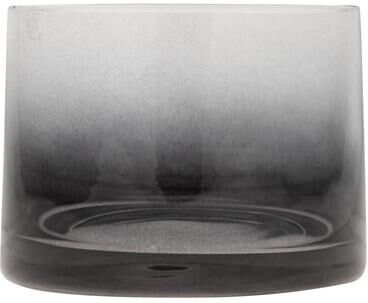
Karma Catalina Taster SetOur Catalina tasters are the perfectly petite size to sip, sample, and serve up new and exciting flavors. These are a great option to pair with flight trays or tasting plates to complement appetizers or complete any home bar.56,49 $*Shipping: 0,00 $Secure redirect to the provider
-
How was warfare conducted in the mid-20th century?
Warfare in the mid-20th century was characterized by the use of conventional military tactics and strategies, as well as the widespread use of new technologies such as tanks, aircraft, and naval vessels. The two World Wars during this time period saw the large-scale mobilization of troops, the use of trench warfare, and the development of new weapons such as machine guns, artillery, and chemical weapons. Additionally, the mid-20th century saw the introduction of nuclear weapons, which significantly altered the nature of warfare and international relations. Overall, warfare in the mid-20th century was marked by a combination of traditional and modern tactics and technologies. **
-
What is the name of an oil painting from the mid-late 19th century?
One famous oil painting from the mid-late 19th century is "Starry Night" by Vincent van Gogh. This iconic painting, created in 1889, is known for its swirling, dreamlike depiction of the night sky and the village below. It is one of van Gogh's most well-known works and is housed in the Museum of Modern Art in New York City. **
-
Could you imagine working as a food taster?
As an AI, I don't have the ability to taste food, but I can imagine that working as a food taster could be an interesting and enjoyable job for someone who has a passion for food and a discerning palate. It would involve sampling a wide variety of foods and providing feedback on their taste, texture, and overall quality. However, it may also come with challenges such as having to taste foods that may not be to one's liking or having to maintain a strict diet to ensure accurate taste testing. Overall, it could be a rewarding career for those who love food and have a keen sense of taste. **
-
Is there a realistic reason for events such as karma?
Events such as karma can be seen as a way to explain the concept of cause and effect in our lives. It provides a framework for understanding how our actions can have consequences, whether positive or negative. While the idea of karma may not have a scientific basis, it can serve as a moral compass and encourage individuals to act in ways that promote kindness, compassion, and ethical behavior. Ultimately, whether one believes in karma or not, the principles behind it can still hold value in guiding personal conduct and fostering a sense of accountability for one's actions. **
Similar search terms for Karma-Mid-Century-Taster
-
Can you please create a list of European states and their colonies in the mid-18th century?
In the mid-18th century, several European states had established colonies around the world. Some of the major European states and their colonies included: 1. Great Britain: Colonies in North America (including the Thirteen Colonies), the Caribbean (such as Jamaica and Barbados), and parts of India. 2. France: Colonies in North America (including Canada and Louisiana), the Caribbean (such as Haiti and Martinique), and parts of India. 3. Spain: Colonies in the Americas (such as Mexico, Peru, and Cuba), the Caribbean (such as Puerto Rico), and the Philippines. 4. Portugal: Colonies in Brazil, parts of Africa (such as Angola and Mozambique), and parts of India. 5. Netherlands: Colonies in the East Indies (such as Indonesia), parts of the Caribbean (such as Suriname), and parts of Africa (such as South Africa). These are just a few examples of European states and their colonies in the mid-18 **
-
Can you please create a list of European countries and their colonies in the mid-18th century?
In the mid-18th century, some European countries and their colonies included: 1. Great Britain: Colonies in North America (including the Thirteen Colonies), the Caribbean (such as Jamaica and Barbados), and parts of India. 2. France: Colonies in North America (such as New France), the Caribbean (including Haiti), parts of India, and territories in Africa. 3. Spain: Colonies in the Americas (including present-day Mexico, Peru, and parts of the Caribbean), the Philippines, and territories in Africa. 4. Portugal: Colonies in Brazil, parts of Africa (such as Angola and Mozambique), and territories in Asia (including Macau and Goa). 5. Netherlands: Colonies in the East Indies (Indonesia), parts of the Caribbean (such as Suriname), and territories in Africa. **
-
Was there a century in the history of humanity that was bloodier than the twentieth century?
The twentieth century was one of the bloodiest in human history, with two world wars, numerous genocides, and the development and use of nuclear weapons. However, it is difficult to definitively say whether there was another century that was bloodier, as historical records are incomplete and the scale of violence in earlier centuries is harder to quantify. There were certainly other periods in history, such as the Mongol invasions of the 13th century and the Thirty Years' War in the 17th century, that saw widespread devastation and loss of life. Ultimately, the question of which century was the bloodiest is complex and may not have a clear answer. **
-
Is Karma real?
Karma is a concept in various Eastern religions and philosophies that suggests that the consequences of a person's actions will affect their future. While the idea of karma is not scientifically proven, many people believe in its principles as a way to understand the interconnectedness of actions and their outcomes. Whether karma is real or not ultimately depends on one's personal beliefs and interpretations of the concept. **
* All prices are inclusive of VAT and, if applicable, plus shipping costs. The offer information is based on the details provided by the respective shop and is updated through automated processes. Real-time updates do not occur, so deviations can occur in individual cases. ** Note: Parts of this content were created by AI.