Buy dingelstaedt.eu ?
We are moving the project
dingelstaedt.eu .
Are you interested in purchasing the domain
dingelstaedt.eu ?
domain@kv-gmbh.de · 0541-91531010
Buy dingelstaedt.eu ?
Provinces of Italy
Italy is divided into 20 regions, which are further subdivided into provinces. There are a total of 107 provinces in Italy. Each province is governed by a President and a Provincial Council. Provinces in Italy play a key role in local administration, providing services such as education, transportation, and healthcare to their residents. **
What are provinces and barbarians?
Provinces are regions or territories within a country that are governed by a central authority. They typically have their own local governments and administrative systems, but ultimately answer to the central government. Barbarians, on the other hand, historically referred to people or groups outside of the established civilizations who were considered uncivilized or primitive. The term was often used by ancient civilizations to describe foreign peoples who were perceived as culturally inferior. **

Similar search terms for Provinces
Top-Angebote
Products related to Provinces:
-
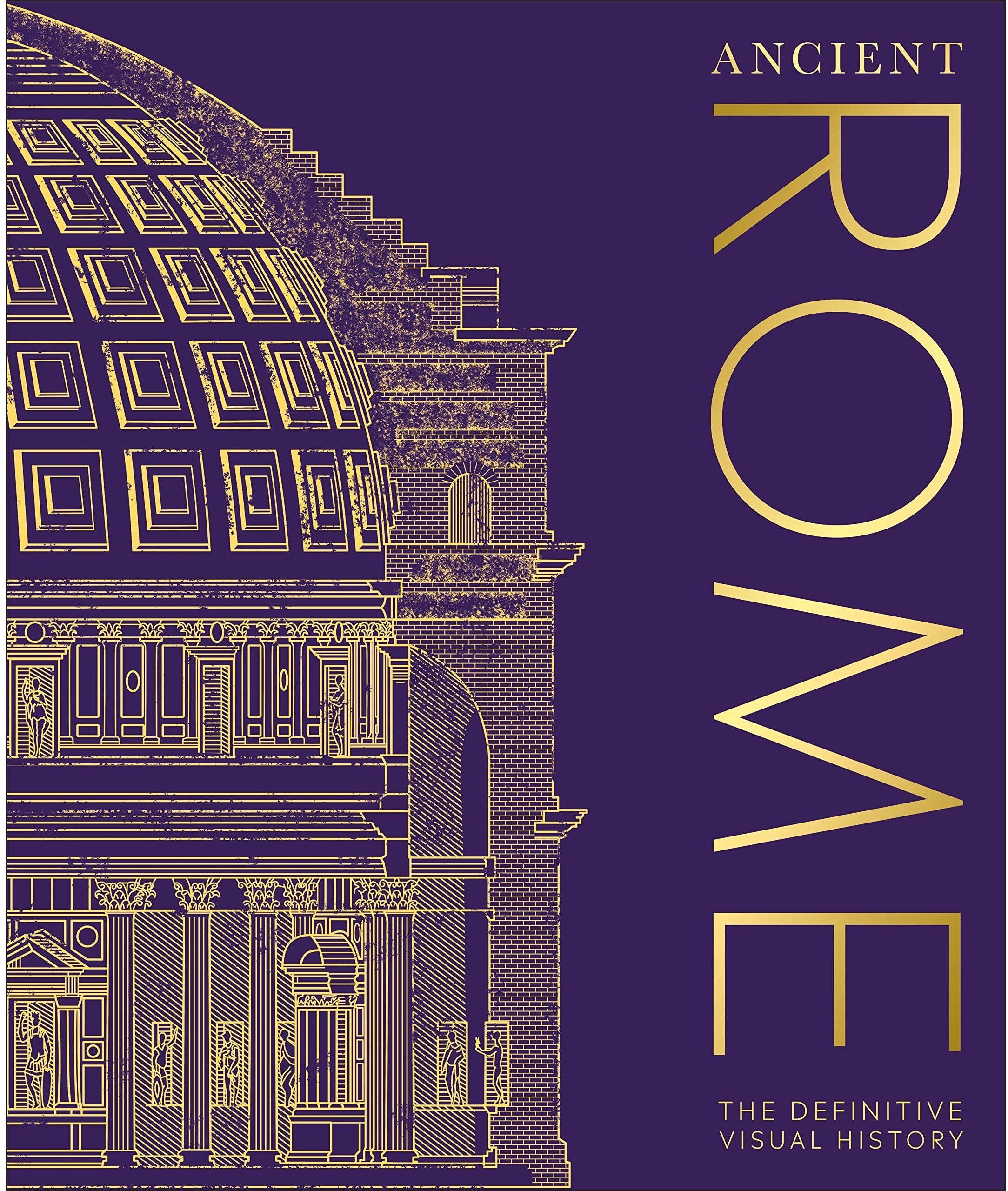
Ancient Rome: The Definitive Visual History (DK Classic History)Immerse yourself in the history of ancient Rome - from its origins as a small settlement on the Palatine Hill to its peak as an empire reigning over 90 million people, and its tumultuous decline. Covering more than 1,000 years of history, and an empire that stretched from Scotland to Syria, Ancient Rome reveals in vivid detail all of the key political, cultural, and military events that shaped the Roman Empire and explores what it was like to live in a society that laid the foundations for many aspects of the modern world. Sumptuous photography and engaging text cover every facet of life in ancient Rome, from art, entertainment, and fashion to engineering, medicine, and war, while detailed maps trace the rise of the mighty Roman Empire. Step back in time in the pages of this history book to discover:- Themed spreads explore developments in areas such as sculpture, religion, warfare, and engineering. - Includes tales of the most dramatic events and battles in Roman history, as well as profiles of influential historical and cultural figures. - An optional 80pp reference section includes sections on rulers, gods and goddesses, and key sites. Featuring Rome's greatest emperors, from Augustus to Constantine, as well as profiles of generals, historians, and influential women, Ancient Rome also delves into the fascinating stories of gladiators, bakers, and enslaved people. The most iconic buildings of Rome are brought to life with specially commissioned CGI recreations, while the stories of ordinary citizens, soldiers, and persecuted groups from across the empire are told with the help of illustrations, artefacts, and eyewitness accounts. Beautifully illustrated and unparalleled in scope, Ancient Rome is the perfect book for anyone who is interested in this defining period of world history.19,95 £*Shipping: 2,99 £Secure redirect to the provider
-
What was the Romanization of the provinces? What was culture and agriculture?
The Romanization of the provinces refers to the process by which the Roman Empire spread its culture, language, and customs to the territories it conquered. This often involved the construction of infrastructure such as roads, aqueducts, and buildings, as well as the establishment of Roman law and administration. Culture in the Roman provinces was heavily influenced by Roman traditions, including language, religion, and architecture. The spread of Roman culture also led to the adoption of Roman customs and practices by the local populations. Agriculture was a crucial aspect of the Roman economy, and the provinces played a significant role in supplying food and resources to the empire. Roman agricultural techniques and practices were introduced to the provinces, leading to increased productivity and the development of large-scale farming. The Roman Empire also encouraged the cultivation of new crops and the introduction of new agricultural technologies in the provinces. **
-
How can you annex conquered provinces in HoI4?
In Hearts of Iron IV, you can annex conquered provinces through the peace conference mechanic. When you win a war and have control over the enemy's territory, you can negotiate the terms of the peace treaty. During the peace conference, you can choose to annex specific provinces by spending political power. The amount of political power required to annex a province depends on its size and strategic value. Once annexed, the provinces become part of your country and you gain control over their resources and manpower. **
-
How can one annex conquered provinces in HoI4?
In Hearts of Iron IV, one can annex conquered provinces through the peace conference mechanic. After winning a war, a peace conference will be held where you can make demands, including annexing territories. To annex a province, you need to have enough war score to justify the annexation. You can increase your war score by occupying enemy territories and achieving war goals. Once you have enough war score, you can select the option to annex the provinces you desire during the peace conference. **
-
Which country has the most states or provinces?
The country with the most states or provinces is China, which has 23 provinces, 5 autonomous regions, 4 municipalities, and 2 special administrative regions. This brings the total number of administrative divisions in China to 34. The large number of provinces in China is due to its vast size and diverse population. **
What are the northern provinces of the Roman Empire?
The northern provinces of the Roman Empire included Britannia (modern-day England), Germania (modern-day Germany), Gaul (modern-day France), and parts of modern-day Belgium, the Netherlands, and Switzerland. These provinces were strategically important for the Roman Empire as they provided valuable natural resources, such as timber, metals, and agricultural products. The Roman military presence in these provinces was also significant in order to defend the empire from invasions by northern tribes and to maintain control over the region. **
What did the Roman provinces look like during Cicero's time?
During Cicero's time, the Roman provinces were territories outside of Italy that were under Roman control. These provinces were governed by Roman officials appointed by the Senate and were responsible for collecting taxes, maintaining order, and administering justice. The provinces were often exploited for their resources, and the local populations were subject to Roman laws and customs. Overall, the Roman provinces were an essential part of the Roman Empire's expansion and administration during Cicero's time. **
Top-Angebote
Products related to Provinces:
-
From the Archives: Black History and Culture Value PackThis brand-new series is rooted in a profound commitment to shedding light on some of the important -- and often lesser-known -- aspects of Black history. From the Archives features landmarks, events, people, and artistic endeavors that have played...26,99 $*Shipping: 0,00 $Secure redirect to the provider
-
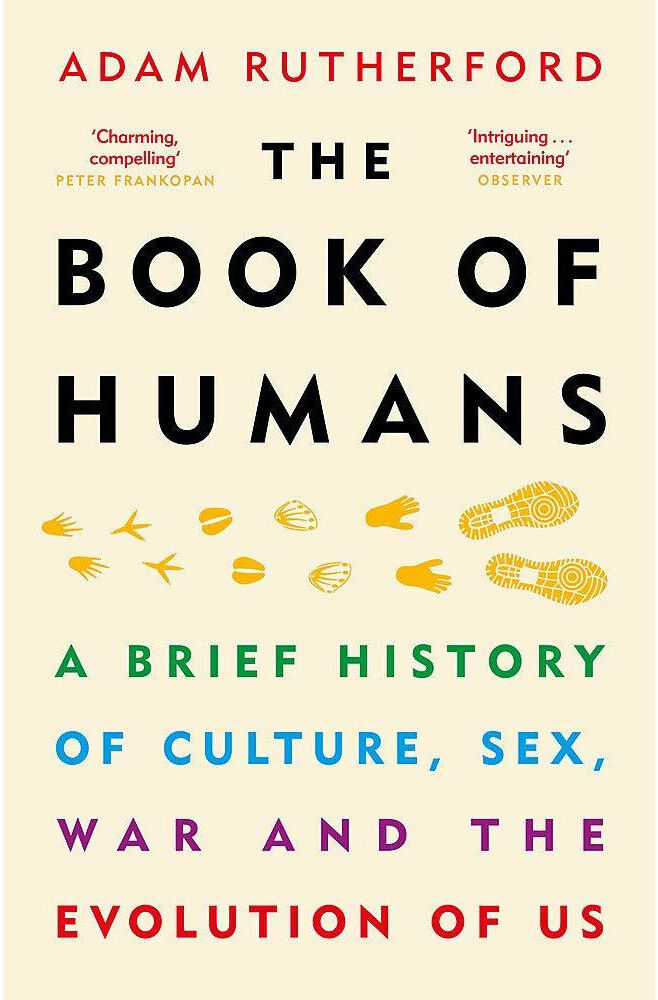
Orion The Book of Humans by Adam Rutherford – A Brief History of Culture, Sex, War & EvolutionWHAT MAKES US HUMAN? Waging war? Sex for pleasure? Creating art? Mastery of fire? In this thrilling tour of the animal kingdom, Adam Rutherford tells the story of how we became the unique creatures we are today. Illuminated by the latest scientific discoveries, THE BOOK OF HUMANS is a dazzling compendium of what unequivocally fixes us as animals, and reveals how we are extraordinary among them.4,98 £*Shipping: 1,99 £Secure redirect to the provider
-
Ancient Rome: The Definitive Visual History (DK Classic History)Immerse yourself in the history of ancient Rome - from its origins as a small settlement on the Palatine Hill to its peak as an empire reigning over 90 million people, and its tumultuous decline. Covering more than 1,000 years of history, and an empire that stretched from Scotland to Syria, Ancient Rome reveals in vivid detail all of the key political, cultural, and military events that shaped the Roman Empire and explores what it was like to live in a society that laid the foundations for many aspects of the modern world. Sumptuous photography and engaging text cover every facet of life in ancient Rome, from art, entertainment, and fashion to engineering, medicine, and war, while detailed maps trace the rise of the mighty Roman Empire. Step back in time in the pages of this history book to discover:- Themed spreads explore developments in areas such as sculpture, religion, warfare, and engineering. - Includes tales of the most dramatic events and battles in Roman history, as well as profiles of influential historical and cultural figures. - An optional 80pp reference section includes sections on rulers, gods and goddesses, and key sites. Featuring Rome's greatest emperors, from Augustus to Constantine, as well as profiles of generals, historians, and influential women, Ancient Rome also delves into the fascinating stories of gladiators, bakers, and enslaved people. The most iconic buildings of Rome are brought to life with specially commissioned CGI recreations, while the stories of ordinary citizens, soldiers, and persecuted groups from across the empire are told with the help of illustrations, artefacts, and eyewitness accounts. Beautifully illustrated and unparalleled in scope, Ancient Rome is the perfect book for anyone who is interested in this defining period of world history.19,95 £*Shipping: 2,99 £Secure redirect to the provider
-
Provinces of Italy
Italy is divided into 20 regions, which are further subdivided into provinces. There are a total of 107 provinces in Italy. Each province is governed by a President and a Provincial Council. Provinces in Italy play a key role in local administration, providing services such as education, transportation, and healthcare to their residents. **
-
What are provinces and barbarians?
Provinces are regions or territories within a country that are governed by a central authority. They typically have their own local governments and administrative systems, but ultimately answer to the central government. Barbarians, on the other hand, historically referred to people or groups outside of the established civilizations who were considered uncivilized or primitive. The term was often used by ancient civilizations to describe foreign peoples who were perceived as culturally inferior. **
-
What was the Romanization of the provinces? What was culture and agriculture?
The Romanization of the provinces refers to the process by which the Roman Empire spread its culture, language, and customs to the territories it conquered. This often involved the construction of infrastructure such as roads, aqueducts, and buildings, as well as the establishment of Roman law and administration. Culture in the Roman provinces was heavily influenced by Roman traditions, including language, religion, and architecture. The spread of Roman culture also led to the adoption of Roman customs and practices by the local populations. Agriculture was a crucial aspect of the Roman economy, and the provinces played a significant role in supplying food and resources to the empire. Roman agricultural techniques and practices were introduced to the provinces, leading to increased productivity and the development of large-scale farming. The Roman Empire also encouraged the cultivation of new crops and the introduction of new agricultural technologies in the provinces. **
-
How can you annex conquered provinces in HoI4?
In Hearts of Iron IV, you can annex conquered provinces through the peace conference mechanic. When you win a war and have control over the enemy's territory, you can negotiate the terms of the peace treaty. During the peace conference, you can choose to annex specific provinces by spending political power. The amount of political power required to annex a province depends on its size and strategic value. Once annexed, the provinces become part of your country and you gain control over their resources and manpower. **
Similar search terms for Provinces
-
How can one annex conquered provinces in HoI4?
In Hearts of Iron IV, one can annex conquered provinces through the peace conference mechanic. After winning a war, a peace conference will be held where you can make demands, including annexing territories. To annex a province, you need to have enough war score to justify the annexation. You can increase your war score by occupying enemy territories and achieving war goals. Once you have enough war score, you can select the option to annex the provinces you desire during the peace conference. **
-
Which country has the most states or provinces?
The country with the most states or provinces is China, which has 23 provinces, 5 autonomous regions, 4 municipalities, and 2 special administrative regions. This brings the total number of administrative divisions in China to 34. The large number of provinces in China is due to its vast size and diverse population. **
-
What are the northern provinces of the Roman Empire?
The northern provinces of the Roman Empire included Britannia (modern-day England), Germania (modern-day Germany), Gaul (modern-day France), and parts of modern-day Belgium, the Netherlands, and Switzerland. These provinces were strategically important for the Roman Empire as they provided valuable natural resources, such as timber, metals, and agricultural products. The Roman military presence in these provinces was also significant in order to defend the empire from invasions by northern tribes and to maintain control over the region. **
-
What did the Roman provinces look like during Cicero's time?
During Cicero's time, the Roman provinces were territories outside of Italy that were under Roman control. These provinces were governed by Roman officials appointed by the Senate and were responsible for collecting taxes, maintaining order, and administering justice. The provinces were often exploited for their resources, and the local populations were subject to Roman laws and customs. Overall, the Roman provinces were an essential part of the Roman Empire's expansion and administration during Cicero's time. **
* All prices are inclusive of VAT and, if applicable, plus shipping costs. The offer information is based on the details provided by the respective shop and is updated through automated processes. Real-time updates do not occur, so deviations can occur in individual cases. ** Note: Parts of this content were created by AI.