Buy dingelstaedt.eu ?
We are moving the project
dingelstaedt.eu .
Are you interested in purchasing the domain
dingelstaedt.eu ?
domain@kv-gmbh.de · 0541-91531010
Buy dingelstaedt.eu ?
What is a purl row in knitting?
A purl row in knitting is when you create a row of stitches that have a raised bump texture on the right side of the fabric. To create a purl row, you insert the needle into the front of the stitch from right to left, wrap the yarn around the needle, and pull it through to create a new stitch. Purl rows are often alternated with knit rows to create different textures and patterns in knitting projects. **
What is a purl stitch in knitting?
A purl stitch in knitting is a basic stitch that creates a textured pattern on the fabric. It is the opposite of a knit stitch and is created by bringing the yarn to the front of the work, inserting the needle from right to left through the front of the stitch on the left-hand needle, wrapping the yarn around the right-hand needle, and pulling the loop through. Purl stitches are often used in combination with knit stitches to create various stitch patterns and designs in knitting projects. **

Similar search terms for Purl
Top-Angebote
Products related to Purl:


-
What is the difference between a knit stitch and a purl stitch?
The main difference between a knit stitch and a purl stitch is the way the yarn is wrapped around the needle. In a knit stitch, the yarn is held in the back of the work and the needle is inserted from front to back, creating a smooth, raised stitch. In a purl stitch, the yarn is held in the front of the work and the needle is inserted from back to front, creating a bumpier, textured stitch. These two stitches are the building blocks of knitting and are used in various combinations to create different patterns and textures in knitted fabric. **
-
How do you purl a stitch and wrap the yarn around the needle twice?
To purl a stitch and wrap the yarn around the needle twice, you would first bring the yarn to the front of the work. Then, insert the right-hand needle from right to left through the front of the first stitch on the left-hand needle. Next, wrap the yarn around the right-hand needle twice in a counter-clockwise direction. Finally, pull the yarn through the stitch and slip the original stitch off the left-hand needle. This will create a purl stitch with the yarn wrapped around the needle twice. **
-
What are art and culture events?
Art and culture events are gatherings or activities that showcase various forms of artistic expression, such as visual arts, music, dance, theater, literature, and more. These events provide a platform for artists to share their work with the public and engage in creative dialogue. They also offer opportunities for individuals to immerse themselves in different cultural experiences, broaden their perspectives, and appreciate the diversity of human expression. Overall, art and culture events play a vital role in enriching communities, fostering creativity, and promoting understanding and connection among people. **
-
What is the difference between culture and tradition?
Culture refers to the beliefs, customs, arts, and social behaviors of a particular group of people, encompassing a broader range of practices and values. On the other hand, tradition specifically refers to the customs and practices that are passed down from generation to generation within a specific community or society. While culture is more dynamic and can evolve over time, traditions tend to be more static and rooted in history and heritage. **

What is the meaning of tradition, culture, and identity?
Tradition refers to the customs, beliefs, and practices that are passed down from generation to generation within a community or society. Culture encompasses the shared values, beliefs, and behaviors of a particular group of people, including their language, art, music, and social norms. Identity is the sense of self and belonging that is shaped by one's cultural background, traditions, and experiences. Together, tradition, culture, and identity form the foundation of a person's sense of belonging and connection to their community and heritage. **
What is a village history?
A village history is a record of the events, people, and developments that have shaped a particular village over time. It typically includes information about the founding of the village, its growth and development, significant events that have occurred there, and the impact of various social, economic, and political changes on the community. Village histories often also include details about prominent individuals, local customs and traditions, and the evolution of the village's physical landscape. These records are important for preserving the unique identity and heritage of a village and providing insight into its past. **
Top-Angebote
Products related to Purl:
-
What is a purl row in knitting?
A purl row in knitting is when you create a row of stitches that have a raised bump texture on the right side of the fabric. To create a purl row, you insert the needle into the front of the stitch from right to left, wrap the yarn around the needle, and pull it through to create a new stitch. Purl rows are often alternated with knit rows to create different textures and patterns in knitting projects. **
-
What is a purl stitch in knitting?
A purl stitch in knitting is a basic stitch that creates a textured pattern on the fabric. It is the opposite of a knit stitch and is created by bringing the yarn to the front of the work, inserting the needle from right to left through the front of the stitch on the left-hand needle, wrapping the yarn around the right-hand needle, and pulling the loop through. Purl stitches are often used in combination with knit stitches to create various stitch patterns and designs in knitting projects. **
-
What is the difference between a knit stitch and a purl stitch?
The main difference between a knit stitch and a purl stitch is the way the yarn is wrapped around the needle. In a knit stitch, the yarn is held in the back of the work and the needle is inserted from front to back, creating a smooth, raised stitch. In a purl stitch, the yarn is held in the front of the work and the needle is inserted from back to front, creating a bumpier, textured stitch. These two stitches are the building blocks of knitting and are used in various combinations to create different patterns and textures in knitted fabric. **
-
How do you purl a stitch and wrap the yarn around the needle twice?
To purl a stitch and wrap the yarn around the needle twice, you would first bring the yarn to the front of the work. Then, insert the right-hand needle from right to left through the front of the first stitch on the left-hand needle. Next, wrap the yarn around the right-hand needle twice in a counter-clockwise direction. Finally, pull the yarn through the stitch and slip the original stitch off the left-hand needle. This will create a purl stitch with the yarn wrapped around the needle twice. **
Similar search terms for Purl
-
From the Archives: Black History and Culture Value PackThis brand-new series is rooted in a profound commitment to shedding light on some of the important -- and often lesser-known -- aspects of Black history. From the Archives features landmarks, events, people, and artistic endeavors that have played...26,99 $*Shipping: 0,00 $Secure redirect to the provider
-
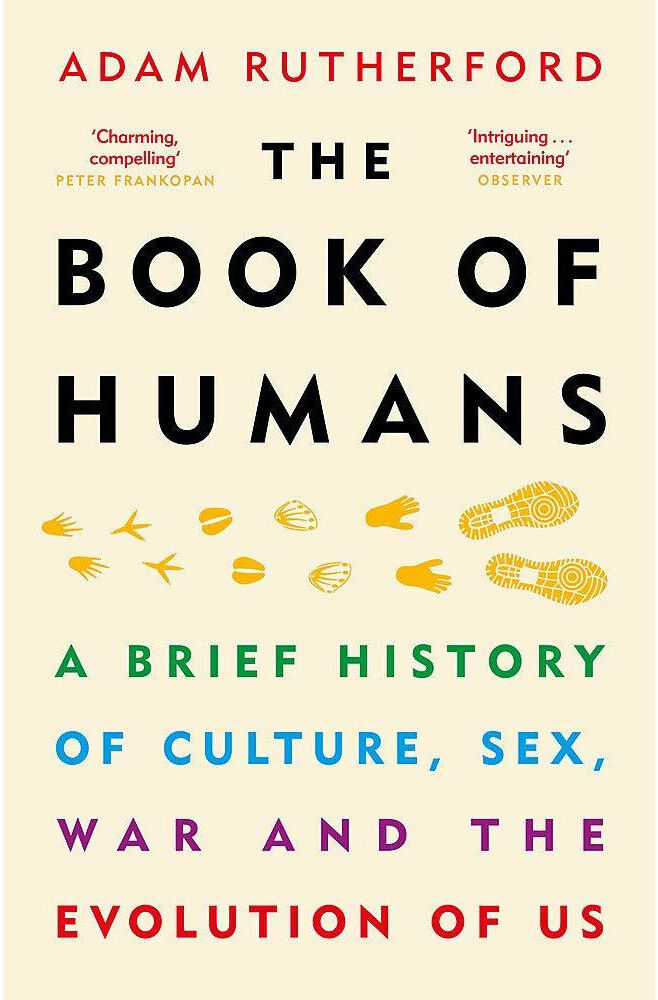
Orion The Book of Humans by Adam Rutherford – A Brief History of Culture, Sex, War & EvolutionWHAT MAKES US HUMAN? Waging war? Sex for pleasure? Creating art? Mastery of fire? In this thrilling tour of the animal kingdom, Adam Rutherford tells the story of how we became the unique creatures we are today. Illuminated by the latest scientific discoveries, THE BOOK OF HUMANS is a dazzling compendium of what unequivocally fixes us as animals, and reveals how we are extraordinary among them.4,98 £*Shipping: 1,99 £Secure redirect to the provider
-
What are art and culture events?
Art and culture events are gatherings or activities that showcase various forms of artistic expression, such as visual arts, music, dance, theater, literature, and more. These events provide a platform for artists to share their work with the public and engage in creative dialogue. They also offer opportunities for individuals to immerse themselves in different cultural experiences, broaden their perspectives, and appreciate the diversity of human expression. Overall, art and culture events play a vital role in enriching communities, fostering creativity, and promoting understanding and connection among people. **
-
What is the difference between culture and tradition?
Culture refers to the beliefs, customs, arts, and social behaviors of a particular group of people, encompassing a broader range of practices and values. On the other hand, tradition specifically refers to the customs and practices that are passed down from generation to generation within a specific community or society. While culture is more dynamic and can evolve over time, traditions tend to be more static and rooted in history and heritage. **
-
What is the meaning of tradition, culture, and identity?
Tradition refers to the customs, beliefs, and practices that are passed down from generation to generation within a community or society. Culture encompasses the shared values, beliefs, and behaviors of a particular group of people, including their language, art, music, and social norms. Identity is the sense of self and belonging that is shaped by one's cultural background, traditions, and experiences. Together, tradition, culture, and identity form the foundation of a person's sense of belonging and connection to their community and heritage. **
-
What is a village history?
A village history is a record of the events, people, and developments that have shaped a particular village over time. It typically includes information about the founding of the village, its growth and development, significant events that have occurred there, and the impact of various social, economic, and political changes on the community. Village histories often also include details about prominent individuals, local customs and traditions, and the evolution of the village's physical landscape. These records are important for preserving the unique identity and heritage of a village and providing insight into its past. **
* All prices are inclusive of VAT and, if applicable, plus shipping costs. The offer information is based on the details provided by the respective shop and is updated through automated processes. Real-time updates do not occur, so deviations can occur in individual cases. ** Note: Parts of this content were created by AI.